
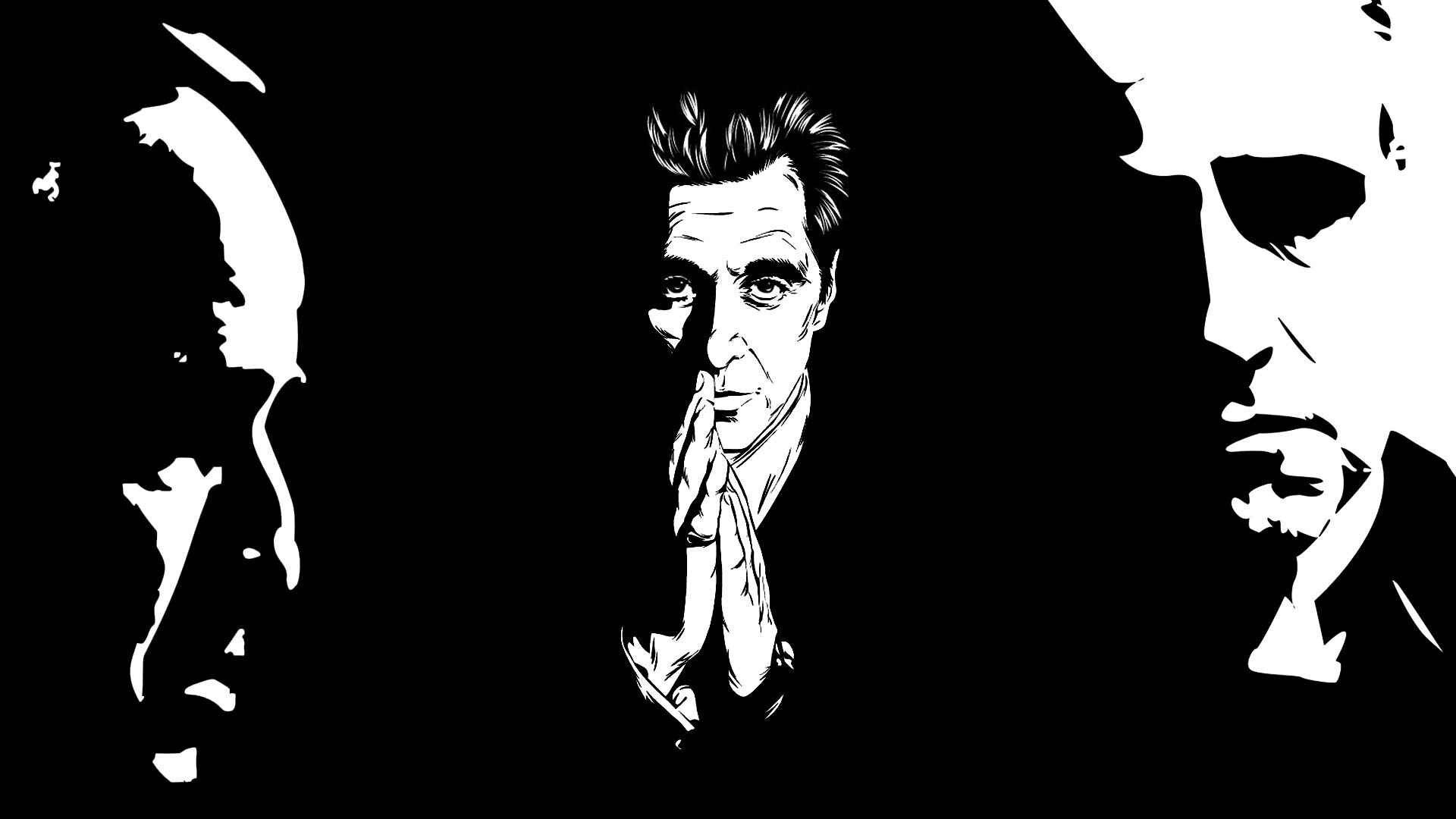

Few films have influenced cinema as deeply as The Godfather. Directed by Francis Ford Coppola and released in 1972, it is often described as one of the greatest films ever made. Yet its lasting power does not come only from its iconic scenes, unforgettable dialogue, or legendary performances. What makes The Godfather endure is that beneath its crime story lies something more intimate and more painful: the story of a family being transformed by power.
More than a gangster story
At first glance, The Godfather appears to be a film about organized crime. It introduces the powerful Corleone family, whose influence reaches into politics, business, and violence. Don Vito Corleone, played with extraordinary control by Marlon Brando, is a feared and respected patriarch who understands that power is rarely simple. It is built not only through force, but through loyalty, favors, silence, and obligation.
But the film quickly proves that it is interested in more than crime itself. Coppola does not present the mafia world as exciting in a shallow way. Instead, he shows it as a system with its own rules, rituals, and emotional costs. Violence in The Godfather is never just spectacle. It is tied to family decisions, private betrayals, and the quiet corruption of the soul.
The transformation of Michael Corleone
The emotional heart of the film is Michael Corleone, played by Al Pacino. In the beginning, Michael stands apart from his family’s criminal empire. He appears calm, intelligent, and unwilling to become part of the world his father controls. He is introduced as the son who might escape the logic of violence and tradition.
That is what makes his transformation so powerful. Step by step, Michael moves from distance to involvement, and from involvement to authority. He does not become ruthless all at once. The film carefully shows how responsibility, revenge, fear, and ambition reshape him. By the end, Michael is no longer a man outside the family business. He has become its future — and in many ways, its most chilling expression.
This arc gives The Godfather much of its tragic force. Michael’s story ...